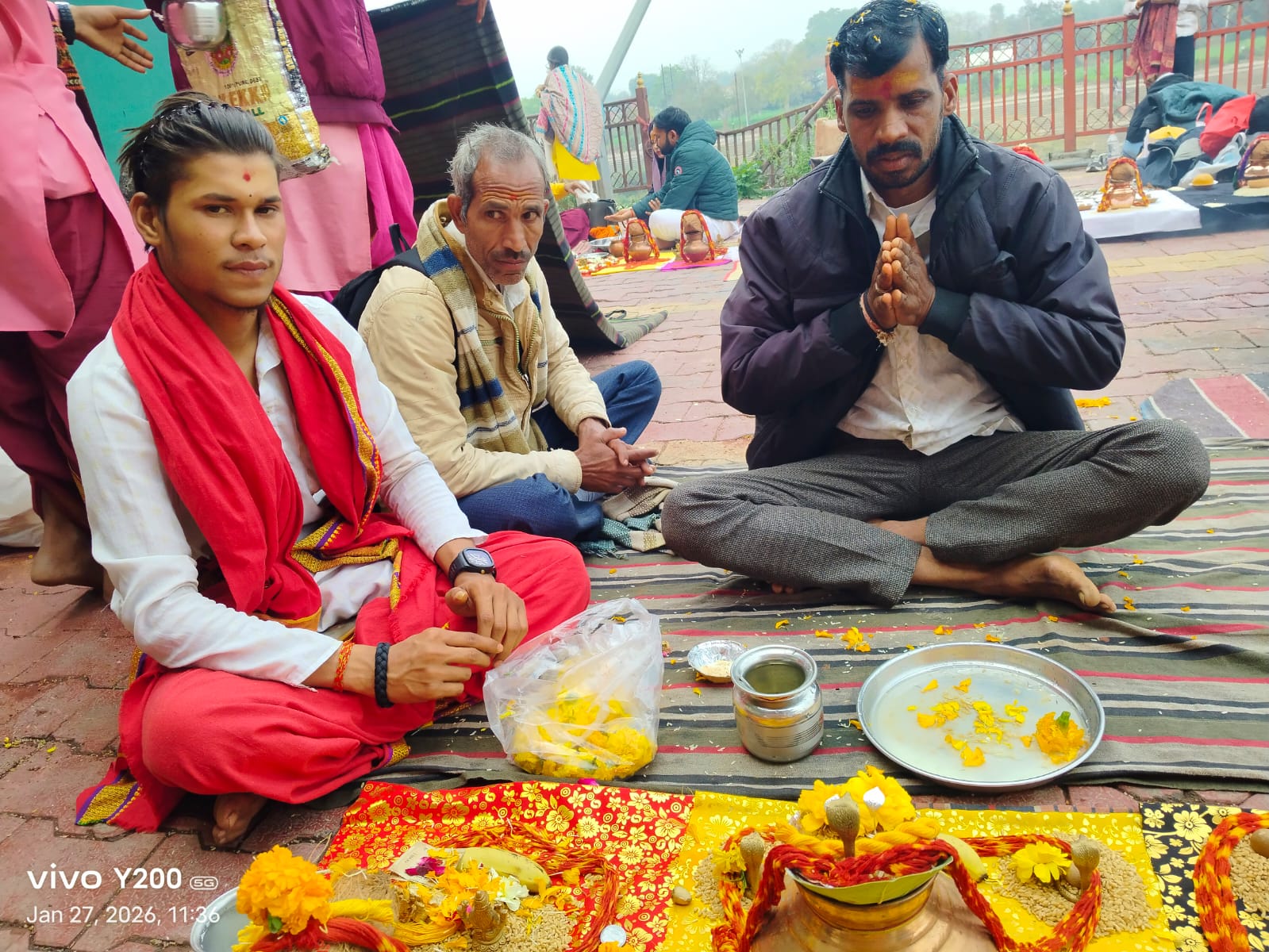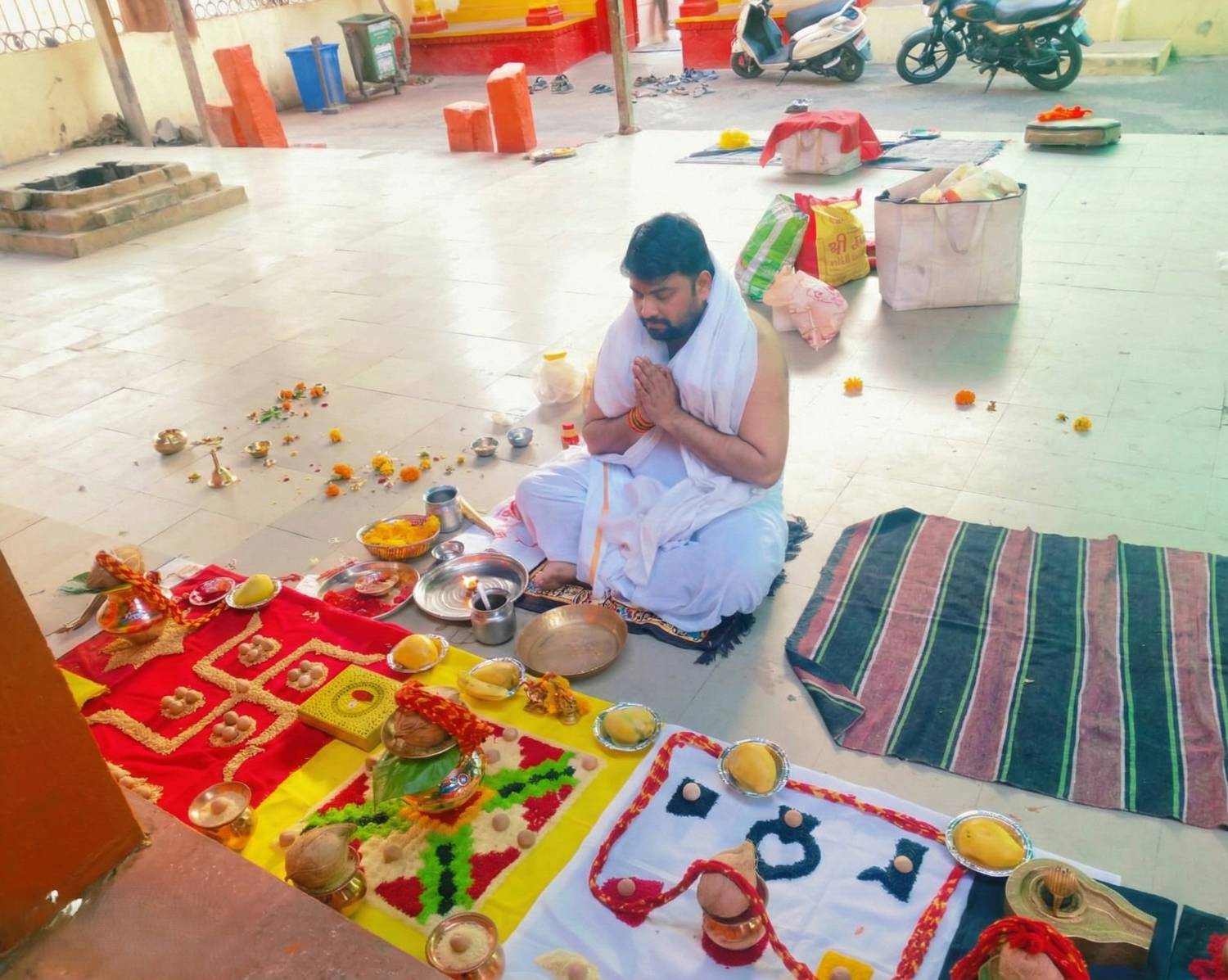
Pitra Dosh is believed to arise when ancestral energies (Pitras) are not properly honored or when certain karmic imbalances related to forefathers are reflected in the horoscope. In Vedic astrology, it is often indicated by the placement and affliction of the Sun, Moon, Rahu, Ketu, or the 9th house (house of ancestors and blessings). Pitra Dosh is not merely a “fault,” but a sign that ancestral duties or unresolved karmic patterns may require attention and remembrance.
Sacred Significance of Ujjain
Siddhavat, situated in the holy city of Ujjain, is considered one of the most sacred places for performing Shraddha and Tarpan rituals. According to traditional belief, Lord Rama performed tarpan here to honor his ancestors. Due to this association, Siddhavat holds special importance for Pitra Shanti and ancestral rituals. It is believed that performing Tarpan and Pind Daan at this sacred site enhances spiritual merit and offers peace to ancestral souls.
What Does Pitra Dosh Represent?
Pitra Dosh may be associated with:
Astrologically, it is assessed through:
However, not every difficulty indicates Pitra Dosh. Proper horoscope analysis is essential before drawing any conclusion.
When Is Pitra Dosh Shanti Recommended?
After careful kundali examination, Pitra Shanti Pujan may be advised in cases such as:
Ritual Process & Vidhi
The Pitra Dosh Shanti Pujan is performed according to traditional Vedic procedure.
The general process includes:
Items commonly used include black sesame seeds (til), barley, rice, kusha grass, water, and specific offerings meant for ancestral peace.
पितृ दोष मंत्र
ॐ पितृभ्यः स्वधा नमः
अर्थ:
मैं अपने पितरों को स्वधा सहित प्रणाम करता हूँ।
आध्यात्मिक महत्व:
पितरों का स्मरण और सम्मान जीवन में स्थिरता और आशीर्वाद का स्रोत माना गया है। श्रद्धापूर्वक जप और तर्पण द्वारा पूर्वजों की संतुष्टि और परिवार में शांति की कामना की जाती है |